This space holds reflections on work, people, leadership, and life—ideas that feel worth examining and sharing at this point in my journey

Perfectly Written, Completely Wrong: AI and the Complexity of Being Human
As we're all grappling with the impact of AI on our futures (cue scary headlines about the fall of civilization), we're also exponentially exposed to the impact of AI on a daily basis. I mean, who hasn't at this point used AI to help draft an email or social media post? I've become suspicious of my own use of late, so I decided to take a short poll of friends and family to hear how they've been using AI in their daily lives, and here are some use cases I've learned about: a wedding toast, an angry customer review response, a review of a book, and even a breakup text! (The unnamed person who shared the breakup story reports his ex-girlfriend seemed to appreciate his articulation.) I get it — as I just stated, I'm not immune to the euphoria of this alien life form appearing out of nowhere to literally save us countless hours.
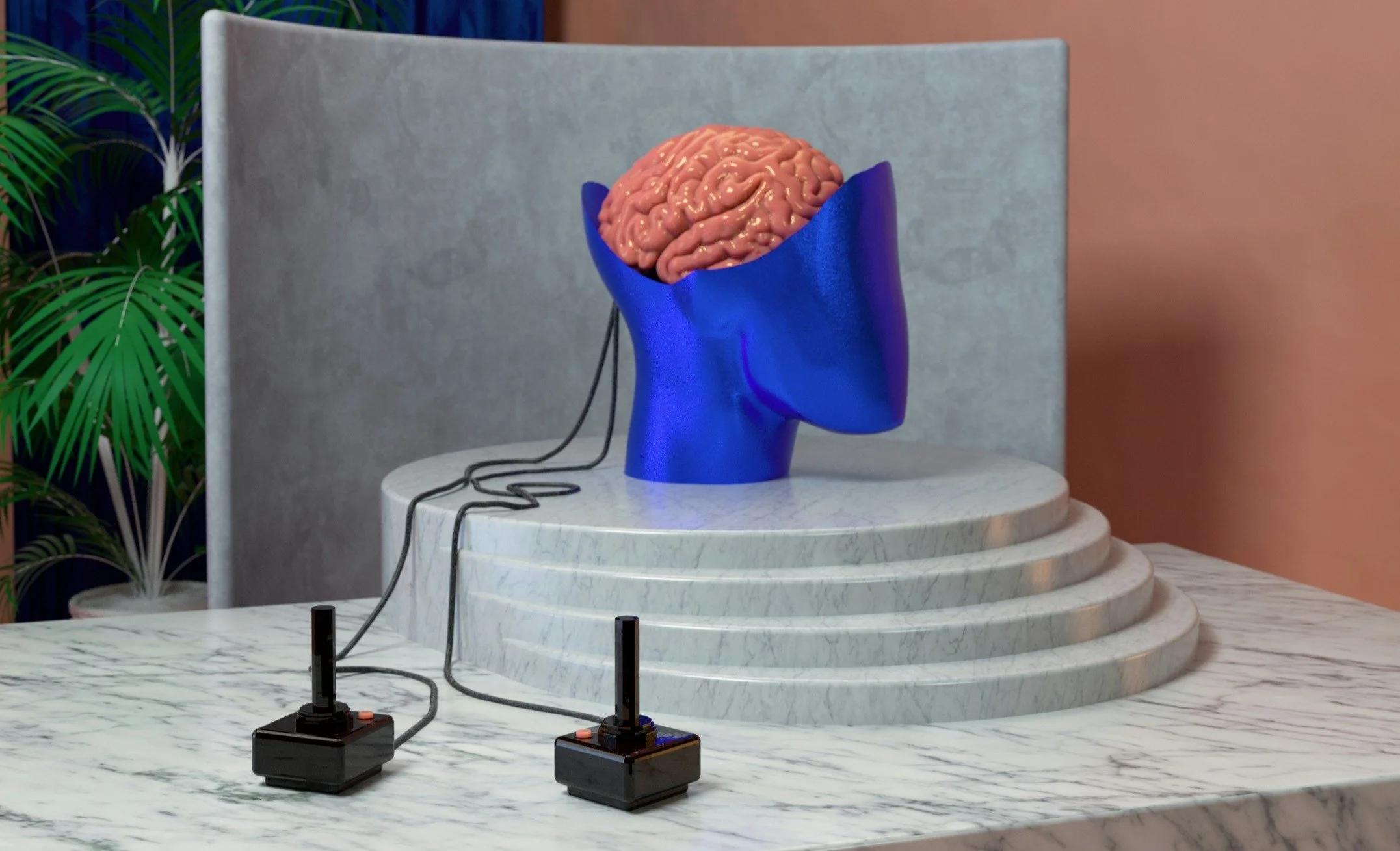
Judgement Can Wait
In a world that feels increasingly polarized—where algorithms seem to know exactly which buttons to push—it’s hard not to notice how easily I can slip into quick judgments. "Like" "Dislike" "Agree" "Disagree" "Judge" and move on without much of a second thought. The quick escape has it's role in today's lifestyle

The Cost of Being Missed
*Image credit: Sacred Madness by Lauren YS. We often hide our truest selves for two reasons: fear of not being accepted, and the belief that we already know what others want to see. So we edit ourselves accordingly. We soften edges, suppress instincts, and present versions of ourselves that feel safer or more palatable.

It’s Them, Not Me: Why We Misjudge Others So Quickly
The Fundamental Attribution Error is a psychological concept that describes our tendency to pin someone’s behavior—or failure—on who they are rather than considering how their environment shaped what they did. It’s one of the easiest traps to fall into, especially as adults who are quick to spot what’s wrong with everyone else long before we ever look at ourselves.
Picture this: a 4-year-old is screaming and throwing items off a grocery store shelf until

The Distorted Mirror
The other night, I was watching Real Time with Bill Maher when he called young men “pussies” for not courting women the way men “used to.” The audience laughed — a familiar blend of relief and superiority. I didn’t feel angry. Just tired.
Not because Bill said something offensive, but because…

Feeble Minded
We live in a world that shapes our behaviors. For better or worse, our behaviors are responsible for the outcomes we produce in life. Sometimes, we fall into the trap of attributing our failures on factors beyond our control, yet readily take personal credit for our successes. While events outside of our control obviously do exist, this convenient manipulation of personal accountability in the "now", shapes our levels of resilience and drive when faced with adversity in the future.